

 |
 The Samoothiri (Zamorin) of Kozhikode greeted Vasco da Gama and his entourage warmly and gave them permission to conduct trade in Kozhikode market. Yet, when Gama pressed for an exchange of pepper and other prized goods, the Zamorin firmly declined. Frustrated by this refusal, Vasco da Gama went to Kannur in search of more favorable ground.
There he met with Kolathiri and signed a pact of trade with him. Vasco da Gama soon returned to Portugal. The Portuguese dominated the trade and governance of Kerala for as long as 150 years. Their power was destroyed by the entry of the Dutch. In a battle at Kochi in 1663, the Dutch army defeated Portuguese. They were never able to recover from such a defeat, and it virtually ended any power they enjoyed in Kerala. When Portugal was merged in Spain, the new administration ignored the eastern colonies as well. Thus, the influence of Portuguese got limited to Goa and adjacent places.
 Kannur is best known for the rhythm of its looms and the fragrance of its cashew trade. As you wander through its streets, one must pause to pick up handwoven textiles, the Kerala Set Sarees—in ivory fabric glowing softly, edged with borders of shimmering gold. To buy a pair would feel less like shopping and more like carrying home a story—each saree a piece of heritage folded into fabric, a living memory of Kerala’s artistry. Also, don’t forget to take along a packet of cashews, the district’s golden harvest.  The beaches that stretch north and south of Kannur rank among Kerala’s finest, each offering a serene escape by the Arabian Sea. At the heart of them lies Payyambalam Beach, famed for its long, unbroken shoreline that runs for several kilometres. From its sands, you can watch ships gliding gracefully along the coast, a timeless sight against the horizon. |
 |
Payyambalam is more than just a beach—it is a living canvas of nature. Its waters teem with marine life, while a thick canopy of trees runs parallel to the white sands, lending the shore an almost heavenly charm. It is no wonder that Payyambalam is counted among the most beautiful beaches in India, a place where sea, sky, and earth meet in perfect harmony. The area becomes particularly crowded on weekends and public holidays.

Just beside Payyambalam lies a smaller stretch of sand fondly called Baby Beach, named for its size compared to its grand neighbor. Nestled within the Kannur Cantonment, access here may be limited, lending it an air of quiet exclusivity. Standing nearby, the Mascot Beach Resort crowns a cliff‑top, offering sweeping views of the Arabian Sea—an endless expanse of blue meeting the horizon in breathtaking splendor. The waves crashing against the rocks create a dramatic view that’s easy to enjoy from above.
Just beyond Payyambalam Beach, there are a few places worth exploring, and among them stands the historic Cannanore Lighthouse. Located beside the Government Guest House, this lighthouse remains active to this day, casting its beam across the Arabian Sea. From the cliff‑top vantage of the Mascot Beach Resort, you can catch a clear view of its tower rising above the coastline—a timeless sentinel watching over Kannur’s shores.
St. Angelo Fort—also known as Kannur Fort or Kannur Kotta—stands proudly overlooking the Arabian Sea. Maintained by the Archaeological Survey of India, this historic stronghold was built in 1505 by the first Portuguese Viceroy, Francisco de Almeida, with the consent of the Kolathiris. Even today, it remains one of Kannur’s most enduring landmarks, a testament to the strength and elegance of Portuguese architecture.
 |
Over the centuries, the fort changed hands: captured by the Dutch in 1663, sold to the Ali Raja of Kannur, and later taken over by the British. Though parts of its structure have weathered time, ancient cannons still line its grounds, echoing its martial past. Along the edges of the fort, you’ll often find people casting their lines, rewarded with a good catch from the sea. From a higher vantage point, the view opens to fishing boats dotting the waters and the natural harbour of Mappila Bay. In the distance, the historic Arakkal Kettu—the ancestral home of the Arakkal royal family—can also be seen, adding a touch of heritage to the panorama.
Visitors are welcome daily from 8 AM to 6 PM, and a walk through its ramparts is both refreshing and rewarding. Beyond its history, the fort offers sweeping views of the Arabian Sea—an experience as exhilarating as the stories its walls continue to tell.
 |
Muzhappilangad Beach is a must‑visit along Kerala’s coast, celebrated as the longest drive‑in beach in India. In 2016, the BBC ranked it among the world’s top six drive‑in beaches, making it the only Asian destination on the list. It shares this honor with renowned stretches such as Corolla in North Carolina, Padre Island in Texas, Fraser Coast in Australia, the Natal–Fortaleza shoreline in Brazil, and Iceland’s Sólheimasandur Beach.
Shaped like a crescent and shielded by massive black rocks that keep the surf calm, Muzhappilangad has often been described as one of India’s most beautiful beaches. Just 100–200 meters to the south lies Dharmadam Island, a private isle that can be reached on foot during low tide. As the day draws to a close, the sunsets here paint the sky in breathtaking hues, making the view unforgettable.
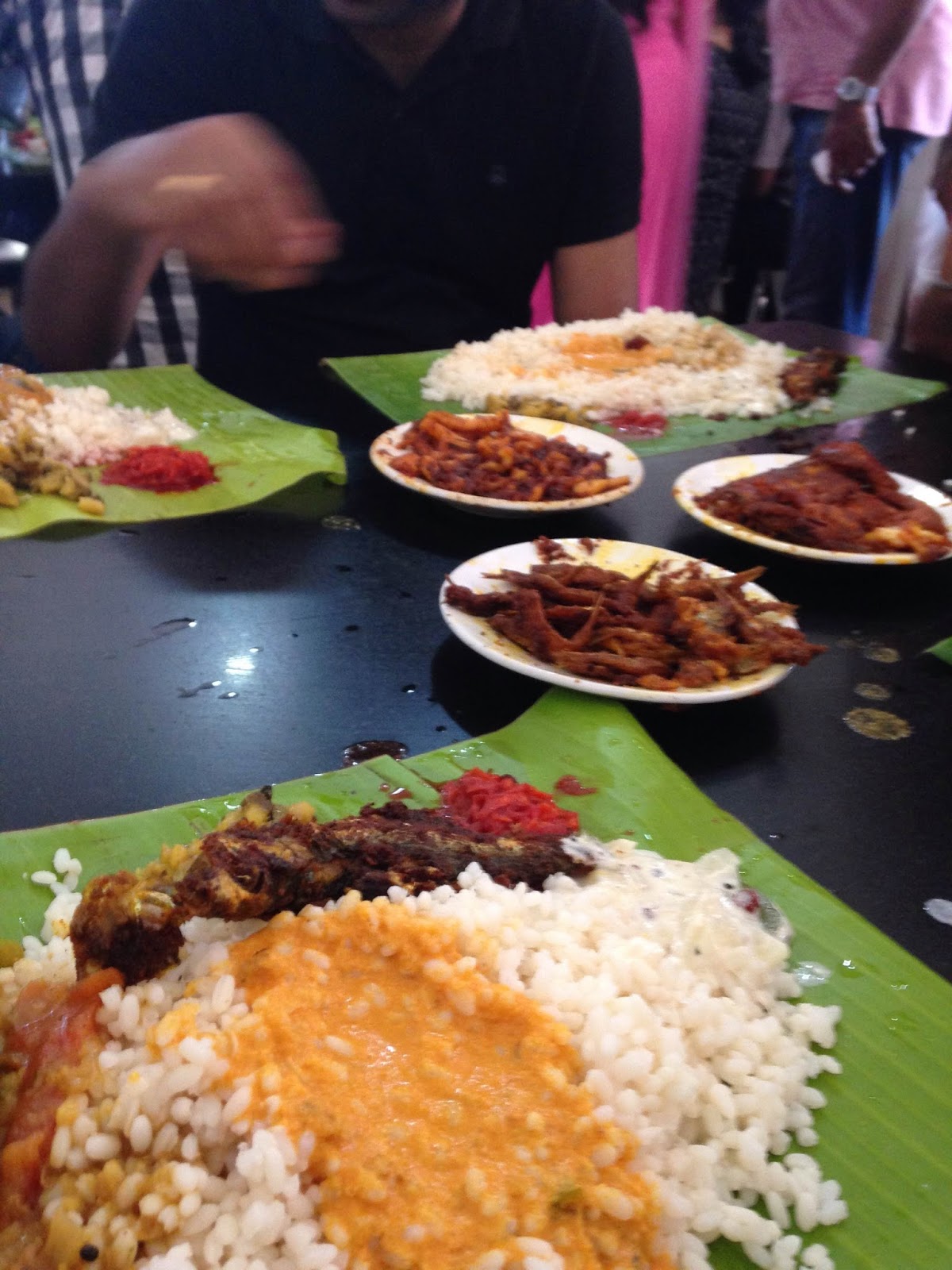
The Kannur cuisine has been shaped by centuries of seasonings and food traditions from across of the world, including Arabian, Persian and European. When in Kannur, one must try out their local cuisine, fondly referred to as the "Mappila cuisine". And no visit to Kannur is complete without savoring its most celebrated dish—the fragrant, flavorful Biriyani.
The one sweetmeat that found fans across the state, Unnakkaya is a snack that you can find in every Kannur tea shop. The dish is so famous that it has almost become synonymous with Malabar. Unnakkaya is something that you cannot afford to miss on a Kannur trip.
Neypathiri or neypathal is a type of deep fried rice roti, commonly made in traditional Muslim households of Malabar during the time of Ramadan. These golden discs can also be found in the wooden shelves of small tea shops around the town.
 |
Kannur is well connected by both bus and train services, making travel to the city convenient. With the addition of a new airport, the city is rapidly expanding. Its infrastructure continues to improve, with modern shopping malls and sea‑facing apartments now part of the skyline. The growing charm of the city draws a large number of tourists each year, adding to its vibrant atmosphere.
A visit to Kannur is a blend of history, culture, and coastal beauty. From its golden beaches and ancient forts to the flavors of Mappila cuisine, the city leaves behind memories as vibrant as the Arabian Sea itself.

Comments
Post a Comment